

If the Parliament Nominates an Official Known for Corruption, the Entire System Could Collapse

Hezbollah Has Infiltrated Political and Security Institutions, Making It Difficult for the Government to Assert Control

Iraq Is in the Hands of Bodies and Individuals Answerable to Tehran

Libya’s Oil and Gas Infrastructure, Already Chronically Vulnerable, Now Sits Squarely in the Crosshairs of Gray-Zone Operations

The Objective Is to Reshape How the Bases Function in Practice, Particularly During Regional Instability

Turkey’s Presence Is Part of a Deliberate Strategy to Dominate Energy Corridors, Migration Routes, and Maritime Claims

The Delegation Itself Has Become a Visible Expression of Internal Fragmentation

The Death Toll of Christians Massacred on Palm Sunday in Nigeria Rises to 53: Just Background Noise in the Global Media Chaos

The Palestinian Leader Shocked Clinton at Camp David by Refusing to Accept a Deal to Which His Own Negotiators Had Agreed

None of the Partners Professing to Seek Peace Is Sincere, and the TRIPP Serves No Economic Purpose

What Is Missing, and What Israel’s Own Experience of Deterrence Theory Makes Painfully Legible, Is a Victory Doctrine


The Prospect of Trump Bringing the U.S. Back Into an Unpopular War Without a Clear Path to Achieving His Goals Appears Remote

Digital and Grassroots Platforms Circulate Narratives of Civilizational Conflict

Exiled Iranian Activists Continue to Organize, but the Backbone of Any Post-Islamic Republic Will Be Internal
Spotlight on War with Iran
The ceasefire still technically exists but negotiations seem stalled if not dead in the water. Traffic through the Strait of Hormuz got its first bump as two US-flagged vessels transited on May 3, 2026. President Trump says more will follow.
But Iran has fired on several other civilian tankers and it does not appear likely the war will end without some reignition of hostilities. The blockade has taken a heavy toll on Iran’s economy. The lack of oil revenue paired with the dwindling storage space for oil they pump seems the most potent leverage for any deal. MEF fellows and experts weigh in on all of this.
But Iran has fired on several other civilian tankers and it does not appear likely the war will end without some reignition of hostilities. The blockade has taken a heavy toll on Iran’s economy. The lack of oil revenue paired with the dwindling storage space for oil they pump seems the most potent leverage for any deal. MEF fellows and experts weigh in on all of this.

As unrest spreads across Iran, the regime and the opposition both face narrowing choices.

The Strait’s Closure Disrupts the Flow of More than 20 Percent of the World’s Oil and Gas Supplies

The Choice Facing the U.S. Is to Intensify and Escalate the Pressure, or to Accept a Face-Saving Deal Likely to Leave the Regime’s Regional Project Intact

Iran’s Energy Weakness Could Become Its Strategic Breaking Point

The Lebanese Government Will Not Risk Pushing Hezbollah Into Using Violence Against It by Trying to Disarm It

Spotlight on Oil and Energy
The kinetic action has mostly stopped but the maneuvering for power, which means energy, in the region has gotten even more heated. The oil and natural gas from the Middle East constitutes 25% of the world’s energy supply.
The UAE has left OPEC and may be in a position to increase that percentage and also ease the current supply shortage. The Strait of Hormuz and the Bab al Mandeb Strait have historically been chokepoints. But pipelines are making threats to those less powerful. These issues and more are getting the attention of Middle East Forum authors.
The UAE has left OPEC and may be in a position to increase that percentage and also ease the current supply shortage. The Strait of Hormuz and the Bab al Mandeb Strait have historically been chokepoints. But pipelines are making threats to those less powerful. These issues and more are getting the attention of Middle East Forum authors.

Bitter About Being Caught off Guard by the U.S. Attack on Iran and the End of Its Mediator Role, Oman Now Chooses Iran’s Side

The Most Significant Implication May Be What It Reveals About the Broader Collapse of the Gulf Hedging Architecture

Iranian Authorities Continue to Project Defiance but the Economy Appears to Have Limited Remaining Resilience

The Pipeline Would Cost Billions of Dollars, Take Years to Build, and Would Cross Multiple Jurisdictions, Not All of Them Reliable

The Decision Sends a Signal That National Priorities Now Outweigh Collective Discipline

Recovery Will Not Be Simply a Return to the Old Model, Now That Gulf States Are Diversifying Their Energy and Economies
Middle East Quarterly - Current Issue
Founded in 1994 by Daniel Pipes, MEQ is the Middle East Forum’s journal intended for both scholars and the educated public. Policymakers, opinion-makers, academics, and journalists write for and read the Quarterly, which is known for exclusive interviews, in-depth historical articles, and book reviews on subjects ranging from archaeology to politics and on countries from Morocco to Iran.
Spring 2026 Volume 33: Number 2
Spring 2026 Volume 33: Number 2


-
 In November 2023 the Houthis Attacked Global Shipping Passing Through the Red Sea Trade Routes and the Gulf of Aden
 -
 $164 Million of Taxpayer Funds Have Gone to Radical Islamist Groups, Including $122 Million to Organizations Aligned with Terrorist Organizations
 -
 A Key Lesson from the IDF’s Collapse on Oct. 7 Is the Shortsightedness of Any Western Military That Invests Heavily in Technology at the Expense of Conventional Armed Forces
 -
 There Has Been a Marked Change in Muslim-Majority Countries—in Keeping with the Rest of the World—Namely ‘A Huge Plunge in Fertility’


Middle East Forum Observer
Founded in 2024, the Observer provides rapid analysis on leading Middle East developments, from Marrakech to Mashhad and the Bab el-Mandeb to the Black Sea.


Launched in 2006, Islamist Watch is a project of the Middle East Forum. We work to combat the ideas and institutions of lawful Islamism in the United States and throughout the West. Arguing that “radical Islam is the problem, moderate Islam is the solution,” we seek to expose the Islamist organizations that currently dominate the debate, while identifying and promoting the work of moderate Muslims.

CAMPUS WATCH, a project of the Middle East Forum, reviews and critiques Middle East studies in North America with an aim to improving them. The project mainly addresses five problems: analytical failures, the mixing of politics with scholarship, intolerance of alternative views, apologetics, and the abuse of power over students. Campus Watch fully respects the freedom of speech of those it debates while insisting on its own freedom to comment on their words and deeds.
Antisemitism

-
 Rife with Antisemitic Tropes, the Books Omit References to Hamas’s Slaughter of Israelis, the Holocaust, and Jordan’s Peace Treaty with Israel
 -
 From Their Support for the Boycott Divest Sanction (BDS) Movement, to Hosting Terrorists, to Accepting Terrorist Tainted Funding, Some of the Nation’s Top Universities Have Become Part of the Palestinian Resistance
 -
 From Their Support for the Boycott Divest Sanction (BDS) Movement, to Hosting Terrorists, to Accepting Terrorist Tainted Funding, Some of the Nation’s Top Universities Have Become Part of the Palestinian Resistance
 -
 Moroccan Journalist Interrogated over Israeli Passport Stamps, Held 32 Hours without Food or Water in Calculated Act of Authoritarian Harassment


Gaza

-
 Egypt’s Double Game Continues, Using State-Sponsored Media to Fuel Hatred While Pretending to Be a Partner for Peace
 -
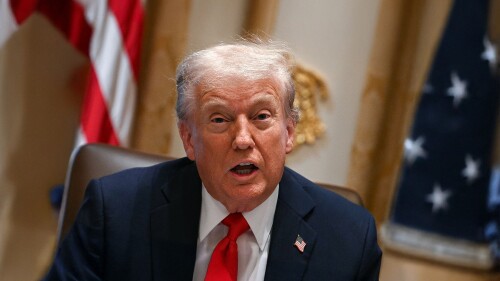 The First Phase of the Ceasefire in Gaza Is Still in Effect, but It Remains So Only Because of a Concerted Diplomatic Effort from the United States
 -
 The Ceasefire in the Gaza Strip Has Been Fragile Since U.S. President Donald Trump Willed It Into Existence Earlier This Month
 -
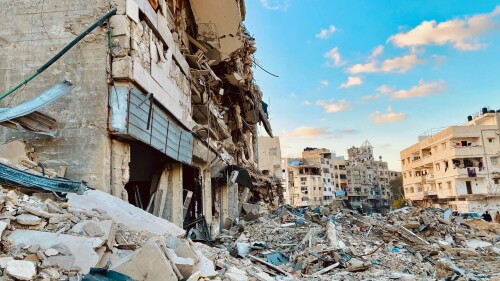 The Path to Implementing the 20-Point Peace Plan Remains Strewn with Obstacles


Islam

-
 Leading Iranian regime operatives played a key role organizing student anti-Israel protests, an investigation by FWI reveals.
In early July, the Office of the Director of National Intelligence alleged that “Iranian government actors have sought to opportunistically take advantage of ongoing protests regarding the war in Gaza ... We have observed actors tied to Iran’s government posing as activists online, seeking to encourage protests, and even providing financial support to protesters.”


