


Staff BiosManagement
Daniel PipesPresident 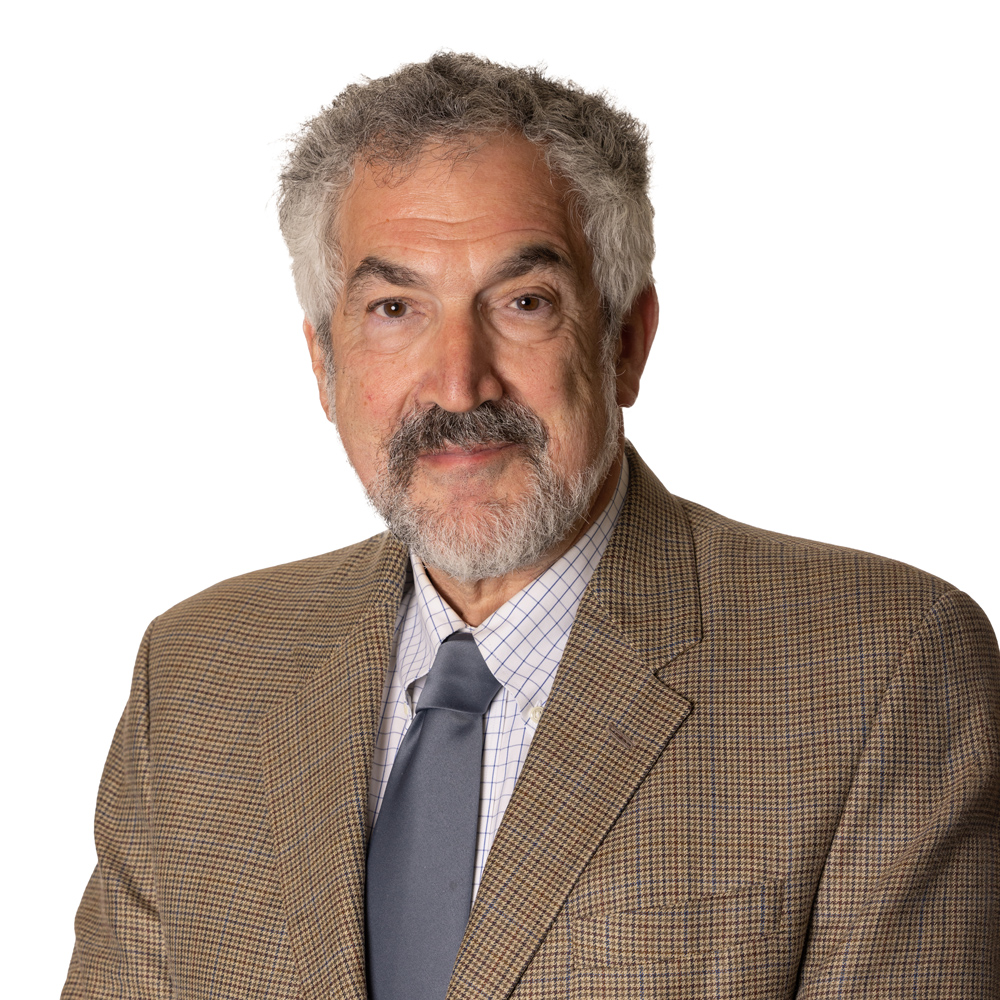
Daniel Pipes, a historian, has led the Middle East Forum since its founding in 1994. He taught at Chicago, Harvard, Pepperdine, and the U.S. Naval War College. He served in five U.S. administrations, received two presidential appointments, and testified before many congressional committees. The author of 16 books on the Middle East, Islam, and other topics, Mr. Pipes writes a column for the Washington Times and the Spectator; his work has been translated into 39 languages. DanielPipes.org contains an archive of his writings and media appearances; he tweets at @DanielPipes. He received both his A.B. and Ph.D. from Harvard. The Washington Post deems him "perhaps the most prominent U.S. scholar on radical Islam." Al-Qaeda invited Mr. Pipes to convert and Edward Said called him an "Orientalist." Follow Daniel Pipes on Twitter. Gregg RomanDirector 
Gregg Roman functions as the chief operations officer for the Forum, responsible for day-to-day management, communications, and financial resource development. Mr. Roman previously served as director of the Community Relations Council of the Jewish Federation of Greater Pittsburgh. In 2014, he was named one of the ten most inspiring global Jewish leaders by the Jewish Telegraphic Agency. He previously served as the political advisor to the deputy foreign minister of Israel and worked for the Israeli Ministry of Defense. Mr. Roman is a frequent speaker at venues around the world, often appears on television, and has written for the Hill, the Forward, the Albany Times-Union, and other publications. He attended American University in Washington, D.C., and the Interdisciplinary Center (IDC) in Herzliya, Israel, where he studied national security studies and political communications. Staff
Benjamin BairdDirector, MEF Action 
Benjamin Baird researches Islamist activity in Washington, D.C., and state capitals across the country, organizes to counter these efforts, and educates the public, the media, and politicians on the threat posed by Islamist involvement in politics. He is a decorated U.S. Army infantry veteran of Iraq and Afghanistan and holds a B.A. in Middle Eastern studies from the American Military University. Baird is a frequent contributor to the Investigative Project on Terrorism, the Daily Caller, and other prominent media outlets. Follow Benjamin Baird on Twitter, Facebook. Nave DromiDirector of MEF-Israel & IVP Israel 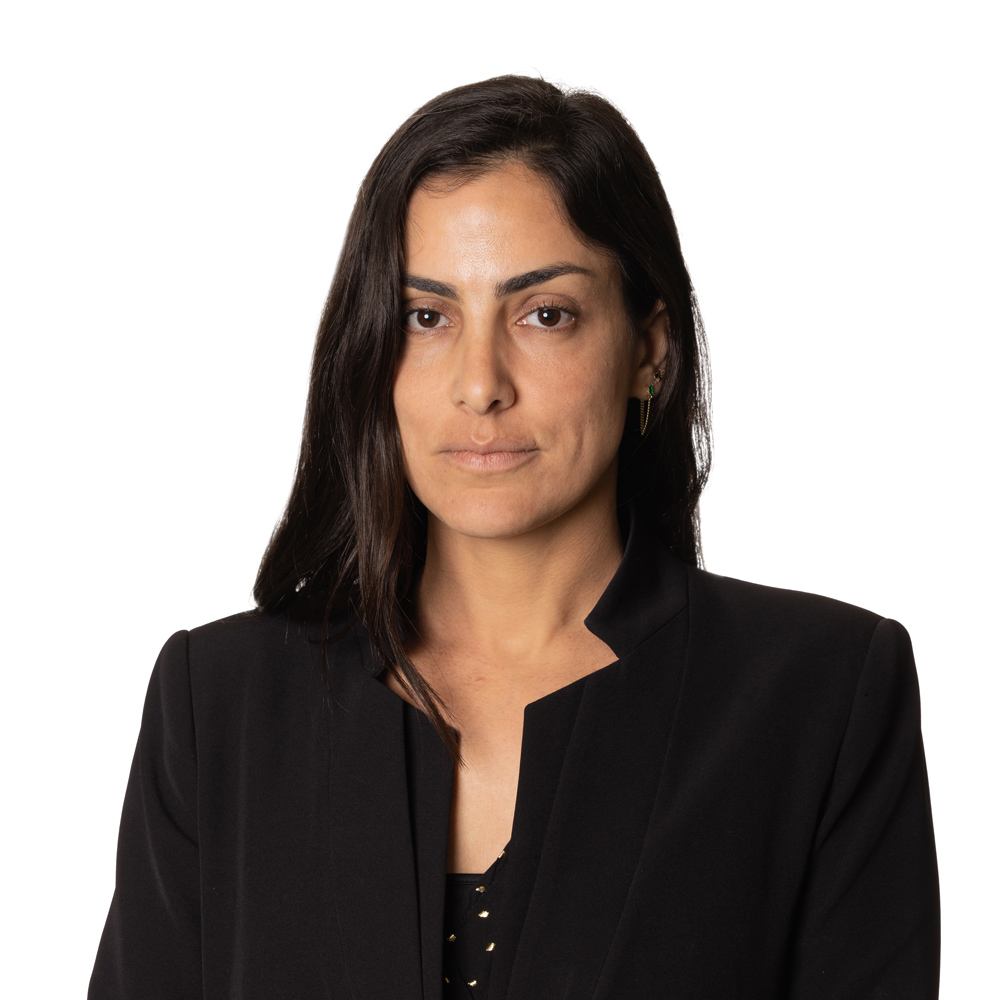
Nave Dromi is primarily responsible for the day-to-day activities of the Israel Victory Project (IVP) in Israel, working closely with members of the Knesset Israel Victory Caucus, opinion-shapers, members of the defense establishment, and Israeli social sectors to further the victory paradigm. A former commander in the Israel Defense Forces and frequent contributor to Haaretz, she previously worked at the Institute for Zionist Strategies. Susannah JohnstonInvestigative Journalist, Focus on Western Islamism 
Susannah Johnston does investigative reporting for Focus on Western Islamism. She previously worked for the U.S. House of Representatives, handling a host of issues including foreign policy for Congressman Barry Loudermilk (R-GA) and serving as an oversight staffer for the Committee on House Administration. Winfield MyersManaging Editor, Middle East Forum & Director, Campus Watch 
Winfield Myers is managing editor of the Middle East Forum and director of its Campus Watch project, which reviews and critiques Middle East studies in North American universities. He has taught world history and other topics at the University of Michigan, the University of Georgia, Tulane, and Xavier University of Louisiana. He was previously managing editor of The American Enterprise magazine and CEO of Democracy Project, Inc., which he co-founded. Mr. Myers has served as senior editor and communications director at the Intercollegiate Studies Institute and is principal author and editor of a college guide, Choosing the Right College (1998, 2001). He was educated at the University of Georgia, Tulane, and the University of Michigan. Thelma ProsserOffice Manager 
Thelma Prosser has been in charge of the Middle East Forum office since 1995. She previously worked at the Foreign Policy Research Institute for over twelve years. Michael RubinDirector of Policy Analysis 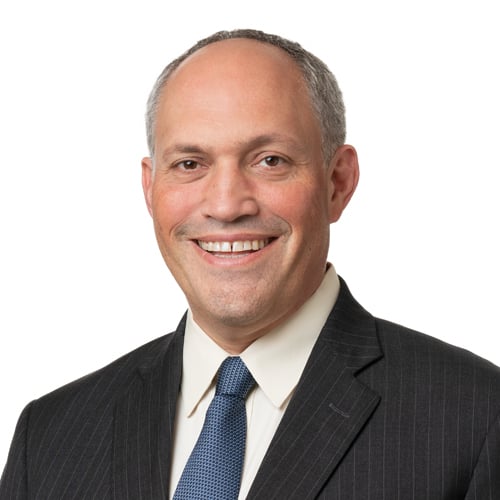
Michael Rubin is a senior fellow at the American Enterprise Institute, where he specializes in Middle Eastern countries, particularly Iran and Turkey. His career includes time as a Pentagon official, with field experiences in Iran, Yemen, and Iraq, as well as engagements with the Taliban prior to 9/11. Mr. Rubin has also contributed to military education, teaching U.S. Navy and Marine units about regional conflicts and terrorism. His scholarly work includes several key publications, such as "Dancing with the Devil" and "Eternal Iran." Rubin earned his Ph.D. and M.A. in history and a B.S. in biology from Yale University. Alex SelskyKnesset Liaison 
Alex Selsky is a senior adviser to the Israel Victory Project and member of the board of directors of Middle East Forum-Israel. He is currently serving as Homefront Command reserve major in the Israel Defense Forces. He is a lecturer at the School of Politics and Journalism at Hadassah Academic College in Jerusalem and a reserve major at the IDF Homefront Command emergency information unit. Selsky previously served as an advisor to Prime Minister Benjamin Netanyahu, spokesman of the Israeli National Economic Council, member of the board of governors of the Jewish Agency for Israel, member of the executive board of the Word Zionist Organization, and CEO of the International Israel Beytenu Movement. He holds a B.A .in Business and an Executive M.A. in Public Policy from Hebrew University. He often writes for and appears in Israeli and international media. Jonathan SpyerDirector of Research & MEQ Editor 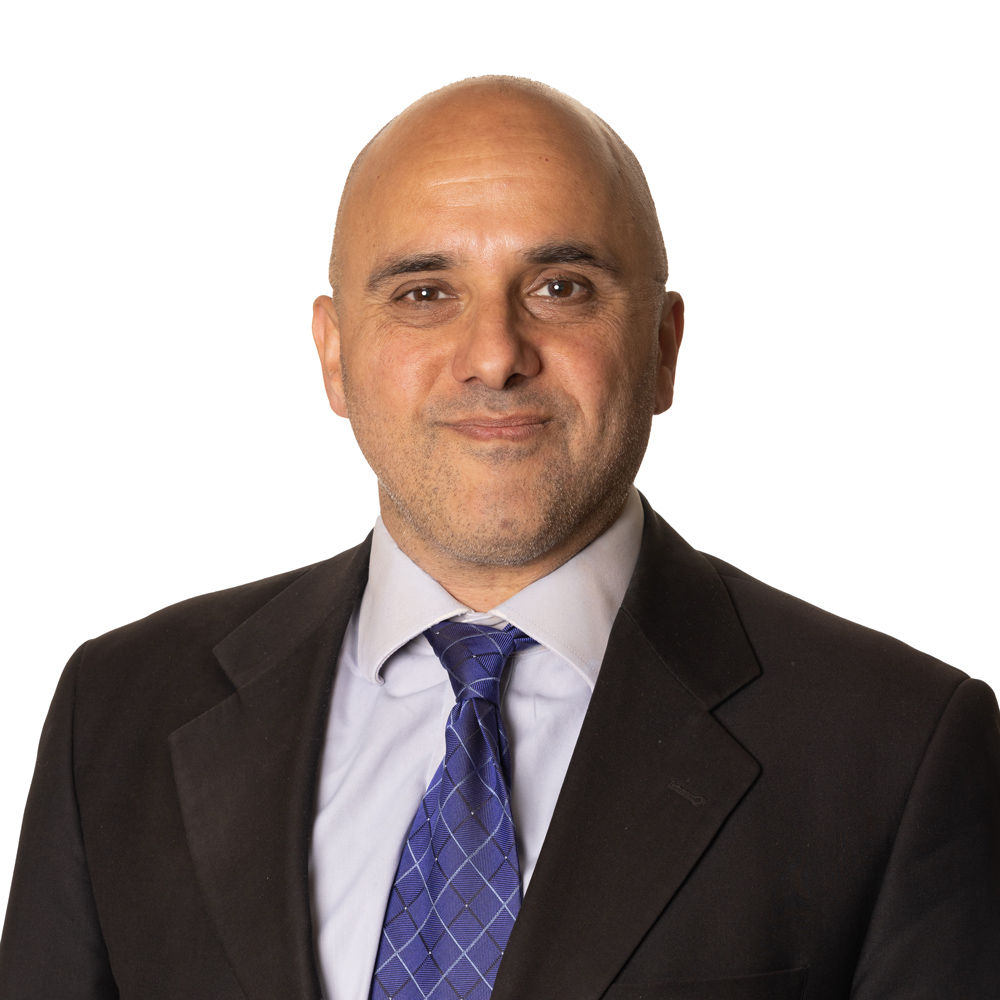
Jonathan Spyer oversees the Forum's content and is editor of the Middle East Quarterly. Mr. Spyer, a journalist, co-founded the Middle East Center for Reporting and Analysis, reports for Janes Intelligence Review, writes a column for the Jerusalem Post, and is a contributor to the Wall Street Journal and The Australian. He frequently reports from Syria and Iraq. He has a B.A. from the London School of Economics, an M.A. from the School of Oriental and African Studies in London, and a Ph.D. from the London School of Economics. He is the author of two books: The Transforming Fire: The Rise of the Israel-Islamist Conflict (2010) and Days of the Fall: A Reporter's Journey in the Syria and Iraq Wars (2017). Marilyn SternCommunications Coordinator
Marilyn Stern runs MEF's monthly conference calls and is producer of its weekly radio show. She has written articles on national security topics for Front Page Magazine, The Investigative Project on Terrorism, and Small Wars Journal. Sam WestropDirector, Islamist Watch 
Sam Westrop has headed Islamist Watch since March 2017, when MEF absorbed the counter-extremism unit of Americans for Peace and Tolerance (APT), where he was the research director. Before that, he ran Stand for Peace, a London-based counter-extremism organization monitoring Islamists throughout the UK. Follow Sam Westrop on Twitter. Robert WilhelmManaging Editor, Middle East Quarterly
Robert Wilhelm is responsible for the day-to-day management and design of the Middle East Quarterly. He spent nearly two decades as a legal editor and a decade as a practicing attorney. He has worked at the Richmond Times-Dispatch and various weekly Virginia newspapers. He holds a bachelor's degree in journalism from Virginia Commonwealth University and earned his law degree at the Antonin Scalia Law School (formerly the George Mason University School of Law). Liron YadinDeputy Chief Operations Officer 
Liron Yadin oversees a wide range of operations within the Forum to ensure cross-functional streamlining of communications, programmatic initiatives, development operations and strategy, project and staff management, governance, and growth. She is an expert in content marketing, community-building, and strategic development in both the NGO and private sectors. Previously, she worked for AMIT, an education non-profit organization, and the Jewish Federation in Los Angeles. Ms. Yadin also served as Director of Foreign Relations for World Likud and Director of Marketing for Aardvark in Israel. She has a B.A. from Temple University and an M.A. from Tel Aviv University. Dexter Van ZileManaging Editor, Focus on Western Islamism 
Dexter Van Zile is managing editor of the Middle East Forum publication Focus on Western Islamism. Prior to his current position, Van Zile worked at the Committee for Accuracy in Middle East Reporting and Analysis for 16 years, where he played a major role in countering misinformation broadcast into Christian churches by Palestinian Christians and refuting antisemitic propaganda broadcast by white nationalists and their allies in the U.S. His articles have appeared in the Jerusalem Post, the Boston Globe, Jewish Political Studies Review, the Algemeiner and the Jewish News Syndicate. He has authored numerous academic studies and book chapters about Christian anti-Zionism. |
|